
- Dual-action medication that activates both GLP-1 and GIP receptors.
- Regulate appetite.
- Increase feelings of fullness.
- Slow digestion, leading to reduced calorie intake and effective weight loss when paired with a healthy diet and exercise.

At Restore Health, our mission is to help you reclaim your health, renew your energy, and feel confident in your body again. We provide personalized, compassionate, and evidence-based care designed to support lasting weight loss and overall wellness.
We believe true health goes beyond the scale. That’s why we take a whole-person approach—supporting your body, mind, and lifestyle every step of the way.
Our foundation is rooted in faith and guided by the promise of Jeremiah 30:17:
“For I will restore health to you and heal you of your wounds,” declares the Lord.
With this as our purpose, we strive to create a space of healing, hope, and transformation where you feel seen, supported, and empowered to become your healthiest self.
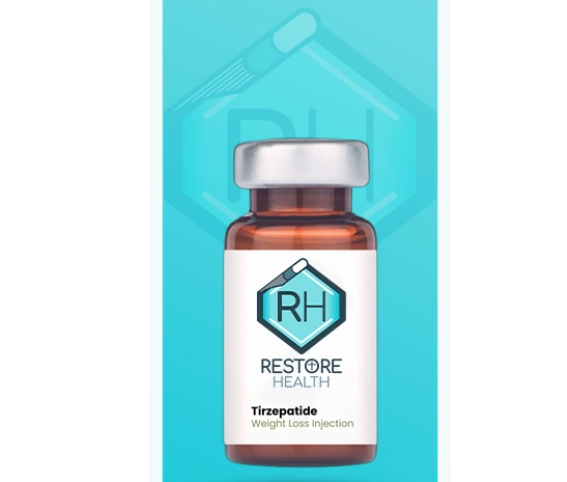

GLP-1s, such as Semaglutide and Tirzepatide, offer a new way to treat obesity. They are classified as GLP-1 Receptor Agonists and Incretin Mimetics, first approved in 2017 for blood sugar control in Type 2 Diabetes.
GLP-1s such as Semaglutide and Tirzepatide help control blood sugar and promote weight loss. They work by slowing down how fast food leaves the stomach and reducing glucagon levels, which lowers hunger and leads to eating less, resulting in weight loss.
GLP-1 medications like Semaglutide and Tirzepatide are very effective in clinical studies. They work by activating the same receptors as natural GLP-1 hormones, improving metabolism, controlling digestion, increasing feelings of fullness, and boosting nutrient absorption.
Administer as a weekly subcutaneous injection in the abdomen, alternating sites. Start with a low dose and gradually increase, following the medical team’s dosing schedule.
No, GLP-1s like Semaglutide and Tirzepatide are not insulin or a substitute. They stimulate insulin release but are not suitable for type 1 diabetes, which requires supervision from a medical provider for insulin regulation.
No, GLP-1s like Semaglutide and Tirzepatide are not stimulants and do not cause addiction. They can be taken with appetite suppressants such as phentermine or phendimetrazine.
GLP-1s such as Semaglutide and Tirzepatide may reduce appetite by slowing gastric emptying and affecting appetite regulation through GLP-1.
Semaglutide and Tirzepatide are not covered for non-diabetics.
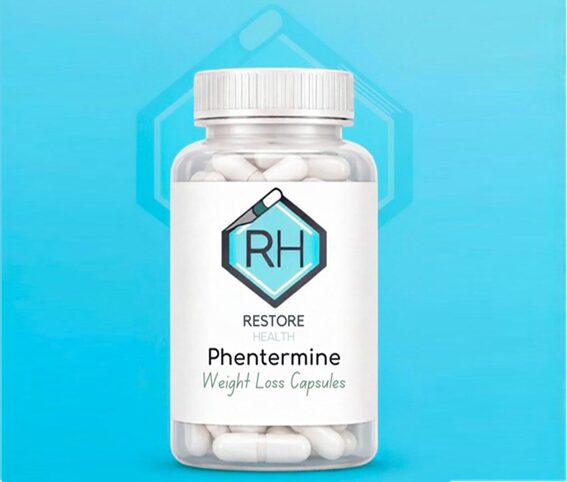
Phentermine is a popular prescription medication that helps reduce appetite and lose weight. It may have some minor side effects, but taking it daily can support your weight loss efforts.
The exact mechanism of phentermine, like many weight-regulating drugs, is unknown. It is believed to act on the hypothalamus, controlling hunger and arousal. The medication alters neurotransmitter activity in this area, significantly lowering appetite and aiding weight loss. Phentermine is not recommended for individuals with hypertension or kidney disease due to associated risks.
The most common side effect of phentermine is dry mouth, which can be eased by drinking plenty of water or chewing sugar-free gum. Other side effects include trouble sleeping and anxiety, which may disrupt sleep patterns and cause mood changes. These effects usually lessen as the body adjusts to the medication. Some people may also experience constipation or diarrhea when they first start taking it.